

The Solo Mum Journey
From “Can I have a baby on my own?” to building a life by design.
Whether you describe yourself as a solo mum, a single mum by choice, or simply a woman wondering if you can have a baby on your own, this journey rarely begins with certainty. It often starts quietly — a late-night search about sperm donors, IVF, fertility testing, or what it really means to become a single mother in Australia.
From there, it unfolds in stages.
There is the early questioning. The research. The weighing up of options. Then comes the reality of trying to conceive — perhaps through artificial insemination at home (AI), IUI or IVF — followed by pregnancy, early motherhood, and eventually the deeper work of raising children in a family built entirely by intention.
Solo motherhood is not a single decision. It is a series of considered ones.
This page is here to help you see the whole landscape — and to guide you to the stage that matters most right now.
Where Are You on the Journey?
Considering Solo Motherhood
Exploring whether you can have a baby on your own? Learn about sperm donor options, IVF as a single woman, legal considerations in Australia, and the long-term implications for your child.
Trying to Conceive Solo
You’ve made the decision. Now you’re navigating fertility testing, donor selection, treatment timelines, and financial planning as a single woman.
Pregnant as a Solo Mum
Preparing for birth, building support, managing reactions, and stepping into motherhood with intention.
New Solo Mum
Navigating the fourth trimester, returning to work, managing finances, and building confidence in early motherhood.
Solo Mum Life
Raising your children, expanding your family, navigating donor conversations, building wealth, and designing the life around your family.
Each stage brings different questions, different responsibilities, and different kinds of support.
If you know where you are, begin there.
If you’re still working that out, keep reading.
Becoming a Solo Mum by Choice in Australia & New Zealand
Becoming a solo mum by choice in Australia or New Zealand is an empowered way to build a family — but it is not a simple one. Long before you begin trying to conceive, there are important layers to understand.
This path is about far more than finding a sperm donor or choosing between IUI and IVF. It involves fertility timelines, legal protections, financial planning, emotional readiness, support systems, and, most importantly, the long-term implications of the decisions you make for the child you hope to raise.
The beginning of this journey deserves intention.
Because the choices made early can shape your child’s identity, access to information, and family narrative for decades.
This is not something to rush.
It is something to understand deeply — so that when you move forward, you do so from clarity.
Before You Begin Trying
If you are considering having a baby on your own, this phase is about preparation rather than action.
It may involve fertility testing to understand your ovarian reserve and realistic timelines. It may mean exploring conception pathways — home insemination, clinic-based artificial insemination, IUI, IVF — or understanding when donor eggs or embryos may become relevant.
For some women, conception happens quickly. For others, it requires strategy and medical support. Knowing your fertility early gives you options — and options create power.
There is also the legal landscape to consider. Parentage laws vary across Australian states and New Zealand. The pathway you choose can affect legal recognition, donor rights, and future access to information.
These details are not technicalities. They are foundations.
And then there is donor choice — often the most emotionally complex element of all.
Understanding Sperm Donor Options in Australia & New Zealand
There are multiple ways women find sperm donors in Australia and New Zealand, and each carries its own implications.
Some choose a known donor — someone they already have a relationship with. Others connect with a recruited donor through a Facebook sperm donor group, website or app, often after searching terms like “Facebook group sperm donor Australia” or “natural insemination donor.” Many work with identity-release donors through regulated fertility clinics. Some explore anonymous overseas donors, navigating entirely different legal frameworks.
While each pathway leads to the possibility of a baby, what sits beneath them differs significantly.
Legal protections.
Medical screening standards.
Long-term identity implications
Family limits.
Donor siblings.
Future contact expectations.
Access to medical history.
Ethnicity considerations.
The right to identifying information at 18.
Many women begin simply wanting to “find a sperm donor” or “have a baby without a partner.” Far fewer initially understand how those early decisions shape their child’s story long into adulthood.
This is not about fear.
It is about informed power.
Because choosing how your child comes into the world is not only a fertility decision — it is an identity decision.
When you understand the full picture, you move forward with confidence rather than urgency.

When You Move From Thinking to Trying
The moment you move from considering motherhood to actively trying to conceive is subtle but profound. What was once a possibility becomes a plan. Appointments appear in your calendar. Blood tests and consultations shift from theoretical to personal. Financial decisions that once felt distant now sit squarely in front of you.
Trying to conceive as a solo woman can involve artificial insemination at home, IUI through a clinic, IVF, or sometimes a progression through several approaches. For some women, conception happens quickly. For others, it unfolds across months or years and requires medical intervention, revised plans, or alternative pathways such as donor eggs or embryos. None of these variations alter the intention behind the choice; they simply shape the route taken.
What changes most in this phase is emotional tempo. Hope becomes cyclical. Budgets become strategic. Decisions about who to tell — and how much to share — carry more weight. It becomes less about whether this path is possible and more about how you sustain yourself through it with clarity and steadiness.
This is where proximity to other women walking the same stage becomes invaluable. Not because they can fix outcomes, but because they understand the particular rhythm of waiting, planning and recalibrating that comes with building a family this way.

Pregnancy Without Compromise
Pregnancy as a solo woman carries a distinct clarity.
You are not negotiating parenting values or aligning expectations with a partner. You are choosing your support person deliberately. You are navigating antenatal systems that are often structured around couples, yet you move through them anchored in the knowledge that this child was conceived by design.
There is a depth of pride that accompanies that awareness. There is also responsibility — financial planning, leave arrangements, practical preparation — that sits squarely with you. But responsibility does not diminish intention; it sharpens it.
From the earliest scans onward, you are shaping the emotional culture of your family. You decide how donor conception will be spoken about. You decide how your child’s origin story will be told. You establish the tone of your home without compromise or negotiation.
Pregnancy in this context is not lacking anything. It is deliberate, focused and entirely your own.

Early Motherhood as Structure and Strength
When your baby arrives, independence transforms into leadership.
You are not simply coping; you are constructing. Routines are set. Financial systems are established. Conversations about schooling, savings and long-term stability begin earlier than most people realise. You hold the emotional centre of the household and the practical architecture of it at the same time.
The early years are often described in terms of exhaustion or endurance. Yet for many solo mothers by choice, they are equally defined by competence. You are not negotiating roles. You are not dividing responsibilities. You are building something cohesive and intentional from the outset.
What matters in this stage is not proving you can manage — you have already done that — but ensuring that what you build feels stable, sustainable and expansive over time.

Raising Children and Designing Life
As your children grow, the nature of your questions evolves.
You may find yourself considering whether your family feels complete or whether there is room — emotionally and financially — for another child. You may begin reassessing your career trajectory, aware that long-term security rests with you alone. Plans around property, relocation or investment take on renewed importance, not simply as milestones but as structural decisions that shape your children’s environment.
Conversations around donor conception deepen as understanding matures. You may contemplate contact with the donor, or donor siblings, or revisit earlier assumptions about future involvement. Personal ambition, temporarily quieted in the intensity of early motherhood, begins to reassert itself. Some women explore dating from a position of strength; others recognise that fulfilment no longer hinges on partnership at all.
At this point, the narrative shifts. You are no longer proving that you can build a family independently — you have already demonstrated that capacity. The focus becomes scale and design. What kind of life do you want to create around the family you so deliberately chose?
An Empowered Way to Build a Family
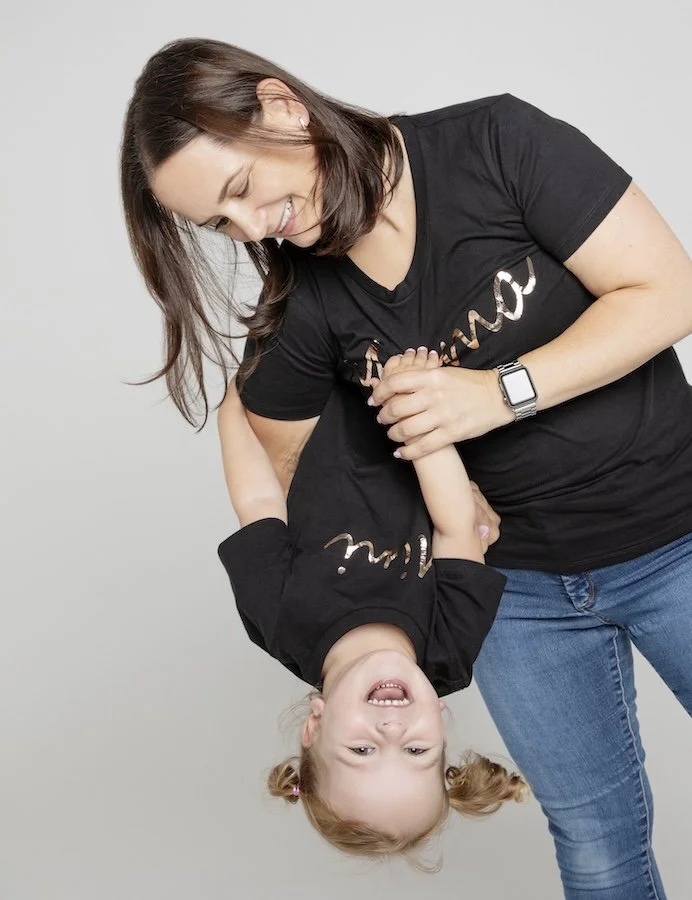
Across Australia and New Zealand, more women each year are choosing to become solo mothers or single mothers by choice. They are professionals, entrepreneurs, leaders and creatives — women who understand their capability and refuse to compromise on motherhood while waiting for circumstances to align.
This path is not reactive. It is intentional.
When you understand the fertility landscape, the legal frameworks, the spectrum of donor options and the long-term implications for your child, the journey becomes less abstract and more strategic. You are no longer navigating vague possibilities; you are making informed, measured decisions that shape your family’s future with precision.
What may begin as a quiet question — can I have a baby on my own? — often evolves into one of the most self-directed decisions of a woman’s life.
Support for Every Stage
Becoming a solo mum by choice is not a single event; it is an unfolding trajectory that spans years and, ultimately, decades.
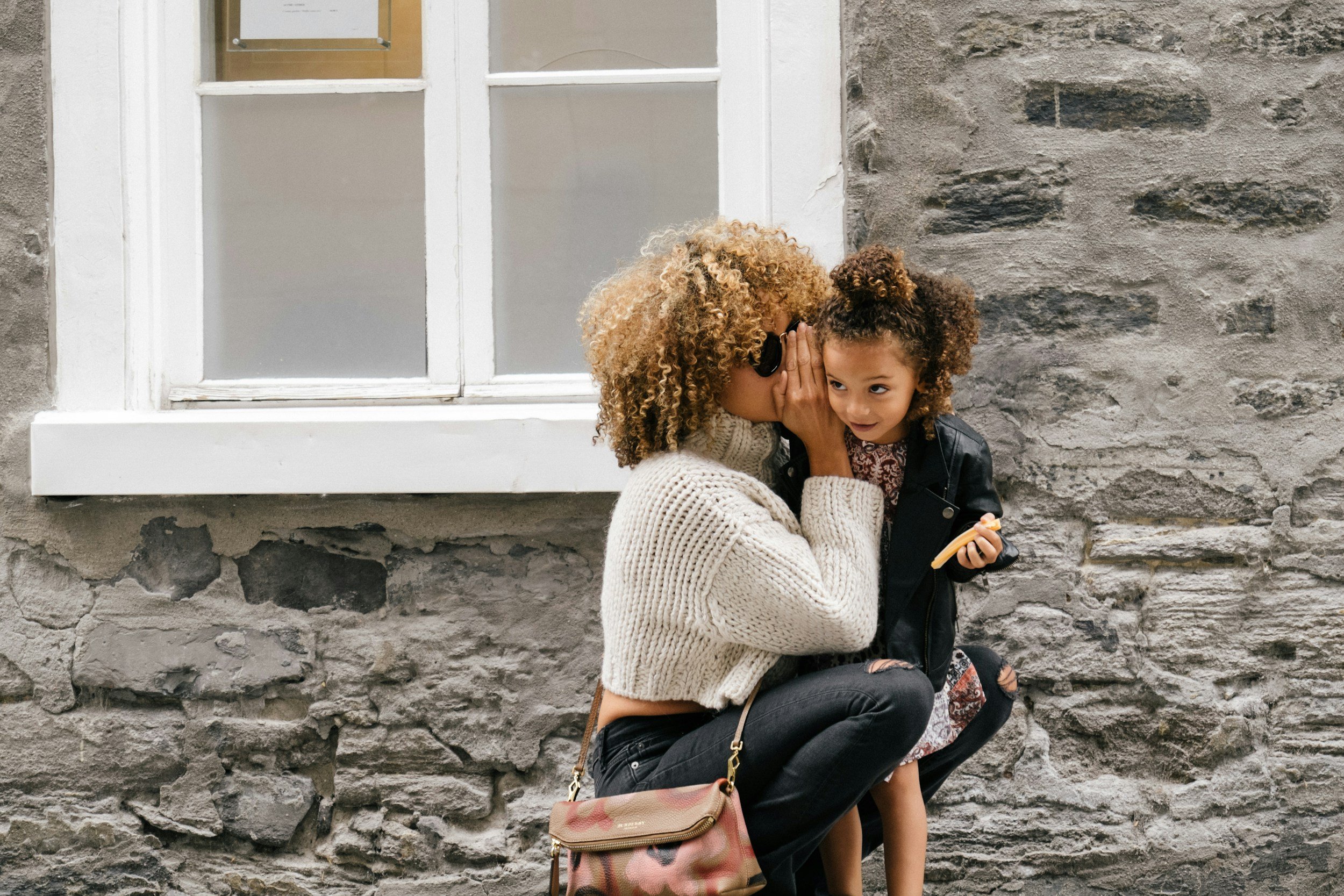
Information matters. Legal clarity matters. Medical understanding matters. But what most women discover is that proximity to others walking the same stage matters just as much.
Your friends may love you deeply. They may even have experienced fertility treatment or early motherhood themselves. Yet unless they have chosen to conceive without a partner, navigated sperm donor decisions within Australian or New Zealand law, considered donor sibling limits, or managed the full emotional and financial responsibility of raising children alone, there will always be layers they do not instinctively grasp.
Community at this level is not about comparison or noise. It is about nuance.
At the considering stage, that nuance looks like thoughtful conversations about donor pathways, fertility timelines and legal protections. During the trying phase, it looks like steady support from women who understand the emotional rhythm of cycles and waiting. In pregnancy, it becomes reassurance from those who have already navigated antenatal systems as solo parents. In early motherhood, it is shared understanding of the mental load without explanation. And as children grow, it becomes strategic conversations about career progression, financial growth, property, dating, expanding your family, travel and ambition.
Solo Mum Society is structured as an ecosystem to reflect those transitions.
There are education pathways through courses. Stage-specific communities such as The Bump and The Nest. A premium membership for deeper connection and expansion. Personalised coaching for women ready to move intentionally into their next chapter. In-person meetups and curated group holidays — including Bali — where virtual connections become real-world sisterhood.
The common thread is women who recognise the courage it took to build your family this way and who mirror that strength back to you as you design what comes next.
That is where this journey moves from possibility to power.
Not Sure Where You Fit?
If you’re just starting to think: Start with Considering Solo Motherhood
If you’re actively trying to conceive: Visit Trying to Conceive Solo
If you’re pregnant: Explore Pregnant as a Solo Mum
If you have a newborn:Visit New Solo Mum
If you’re raising your children and thinking bigger:Enter Solo Mum Life