
How to Choose a Fertility Clinic (And Why Most Women Get It Wrong)
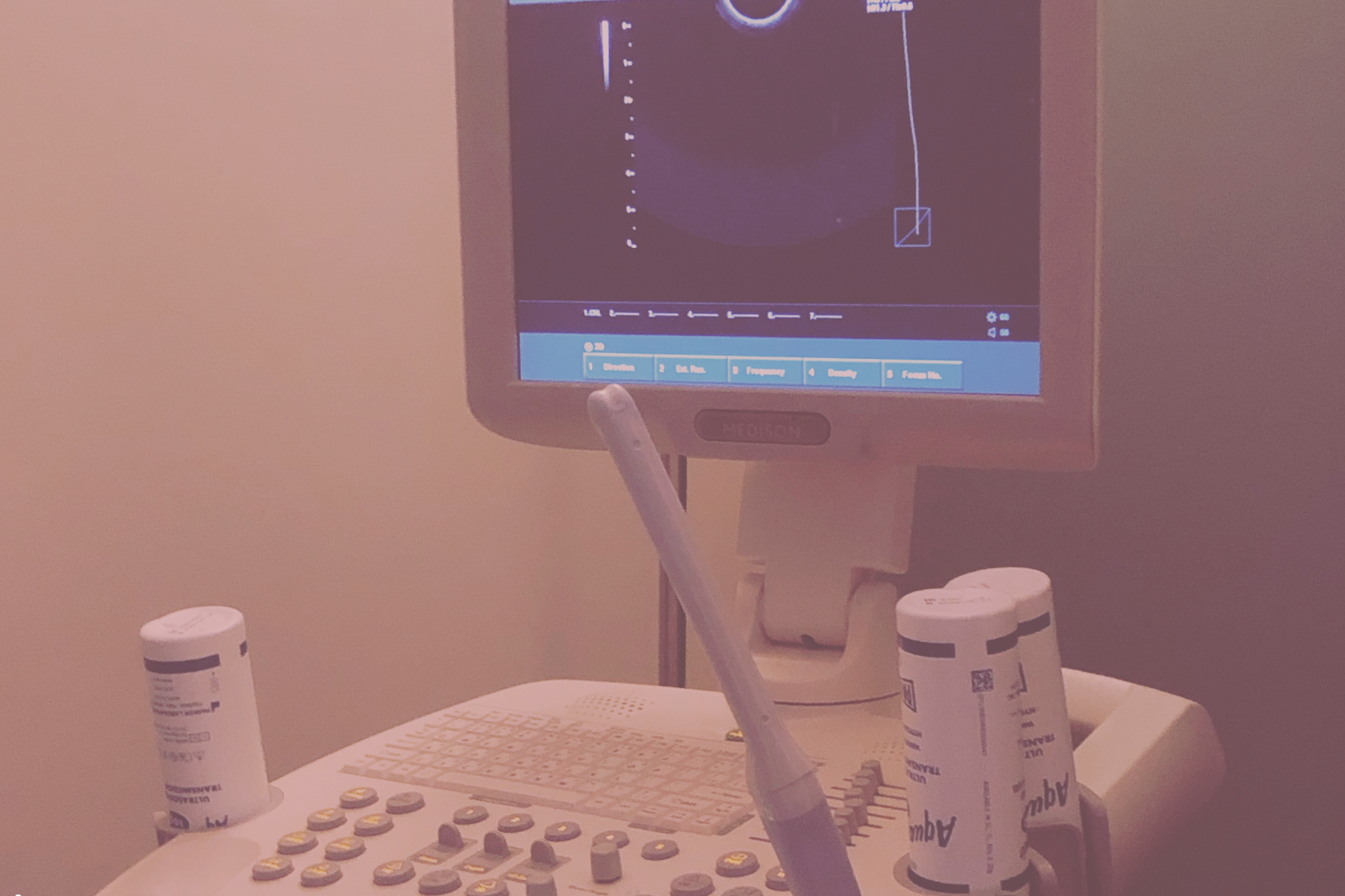
I chose my fertility clinic based on a personal recommendation.
A friend's husband was a GP who'd done all the research for their own situation. They were going through IVF for a different reason — a genetic condition — and I figured if it was good enough for them, it was good enough for me. I booked the appointment without asking a single question about the donor program. I assumed every clinic had access to donors. I assumed the process would just work itself out.
I was lucky. For me, it did.
But I know now — after years of supporting thousands of women through this journey — that the way I chose my clinic is the way most women choose their clinic. And it works, until it doesn't.
Until you commit to a specialist, do the initial testing, pay the consultation fees, and then discover there isn't a suitable donor available. Or there's a donor waitlist that's going to push your timeline by twelve to eighteen months (or more). Or the ethnicity you were hoping for isn't in the bank, and the "pipeline" they mentioned at your first appointment turns out to be a polite way of saying no guarantees, no timeline. Or worse, the donor program they mentioned is “coming soon”, and they’ve been saying that for months with no commitment to a date or how many donors will be on it, so you just keep doing more egg freezing cycles while you wait.
I see this more than I'd like. And it's completely avoidable with the right questions asked in the right order.
So here's what I wish someone had told me when I was starting out.
The mistake that costs women months (and thousands)
There's a lot of beautiful fertility clinic marketing in Australia right now.
Warm, inclusive websites. Instagram accounts full of baby photos and glowing testimonials. Promises of personalised care and world-class technology. The language of hope, wrapped in soft pink branding.
And some of it is genuine. There are excellent clinics doing excellent work, with real transparency, real donor availability, and specialists who genuinely understand the solo patient experience.
But there are also clinics that are excellent at marketing and significantly less excellent at donor programs. Clinics that will take your money, run your tests, and have you partway through a cycle before the reality of their donor situation becomes clear. Clinics whose social media presence is built on borrowed hope and a focus on couples with infertility who don’t need a donor.
The hard truth is that a website cannot tell you whether a clinic has the donor you're looking for. Only a phone call — with the right questions — can do that.
And here's the other thing nobody tells you: some clinics charge upward of $900 to access their donor database. You pay, you look, you discover there's nothing suitable, and you start again somewhere else. This is not rare. It happens to women in this community more than it should.
Compare that to clinics that offer free access to their entire donor bank before you even become a patient. You can browse, filter, understand what's actually available — and then decide whether to book a consultation. That's the transparency standard every clinic should be held to. And it's one of the first things you should ask.
What actually matters when choosing a fertility clinic
I used to tell women to start with location. It's practical, I thought. You'll have a lot of appointments.
I've changed my mind.
Here's the order that actually matters:
1. The donor program — this is the first filter, full stop
Before anything else, you need to know what donors are available. Not what donors they're hoping to recruit. Not what donors they had six months ago. What is actually in the bank right now, available to you, for the ethnicity and profile you're looking for.
Ask this before you pay a consultation fee. Ask this before you fall in love with a specialist. Ask this before you tell anyone you've found your clinic.
Some specific questions worth asking: Can I see the donor database before becoming a patient? Do you have [your preferred ethnicity] donors currently available, or is it a waitlist? If I need an international donor, what does that process look like and what does it cost?
The answers will tell you everything.
2. Whether you can access donor profiles before committing
This is related to the above, but worth calling out separately. The best clinics in Australia will let you browse their donor bank — or their partner donor banks — before you become a patient. You can see who's available, read the profiles, and make an informed decision before you're financially committed.
If a clinic asks you to pay before you can see who's available, that's a flag. Not necessarily a dealbreaker — but something to push back on. Ask specifically: Is there any way I can see the available profiles before I commit?
3. Waitlists — for both donors and specialists
There are two waitlists that matter: the wait for a suitable donor, and the wait for an initial consultation with a specialist. Both can significantly affect your timeline, and both are worth asking about upfront.
And yes, this matters enormously when you're a solo woman doing this on your own — because time isn't abstract, it's biological.
Ask: What's the current wait for donor sperm for a woman in my situation? What's the wait for an initial consultation? If my treatment becomes time-sensitive, how is that managed?
4. The specialist — who they are and whether they understand you
Once you've established that the clinic has the donor program you need, then you can think about the specialist.
Does this person have experience with solo patients specifically — not just couples, not just same-sex couples, but women who are choosing to do this on their own? Do they understand the specific questions you'll have? Do they make you feel like your situation is straightforward and understood, or like you're an edge case they're not quite sure what to do with?
And here is something I say to every woman I work with: you are allowed to change specialists if it doesn't feel right. You don't owe them your loyalty. You are paying them. If after your first appointment you don't feel heard, respected, and genuinely supported — find someone else. Switching is not disloyal. Staying somewhere that doesn't serve you is.
5. Fees and financial transparency
You should be able to get a clear, itemised cost breakdown before you commit. What's included in the cycle fee. What's additional. What Medicare covers and what it doesn't. What happens if a cycle doesn't work.
If a clinic is vague about pricing before you become a patient — if you can only find out costs in a consultation — that's worth noting. Transparent clinics can give you a realistic picture of what you're committing to before you commit.
6. Public vs private — what nobody tells you
Public and bulk-billed fertility clinics exist, and for some women they're the right choice. But there are real trade-offs that aren't widely talked about.
Waitlists at public clinics — for both donor sperm and initial consultations — can be significantly longer than at private clinics. Sometimes years. Treatment protocols at public clinics can also be more standardised, with less flexibility to tailor your approach if the standard protocol doesn't work for you.
This isn't a reason to rule them out. It's information you deserve to have before you decide.
7. Interstate treatment might be worth considering
If you can't find the right donor at clinics near you, interstate treatment is a genuine option — and more workable than most people think. Some clinics have excellent networks for remote monitoring, where your local partner clinic handles the day-to-day appointments while your treatment is managed by the interstate clinic.
If donor availability is limiting your options, it's worth asking any clinic you speak to: Do you have branches in other states? Can I access interstate donors while being monitored locally?
The thing I've learned from watching women navigate this
The women who choose well the first time are almost always the women who ask more questions than they think they should.
They call the clinic before booking an appointment. They ask about the donor bank directly. They push back when answers are vague. They don't let a beautiful website or a friendly receptionist substitute for the information that actually matters.
The women who have to start again — and some of them do — are often the ones who moved too fast, trusted the marketing, or felt too awkward to ask the hard questions.
You are not being difficult when you ask these questions. You are being a woman who is about to make one of the most significant decisions of her life, who deserves real answers from the people she's going to trust with it.
Ask everything. Then ask it again if the answer wasn't clear.
One more thing
Before your first appointment with any clinic, ask in the Solo Mum Society Facebook group. Thousands of women across Australia have navigated this exact journey — many of them with opinions about specific clinics and specific specialists that no review website will give you.
Real experience from real women who have been in your waiting room is worth more than any amount of marketing material.
Join the Solo Mum Society Facebook group →
And if you want all the specific questions — the ones to ask about donor programs, specialists, fees, and everything else — compiled in one place:
It's the guide I wish existed when I was starting out.
Alisha x
Alisha Burns is the founder of Solo Mum Society and a solo mum by choice. Her daughter was conceived via donor conception and born in 2020. Solo Mum Society is Australia's leading community for women choosing solo motherhood by choice.