
The Sperm Shortage Is Real — And Last Night's Spotlight Only Told Half the Story
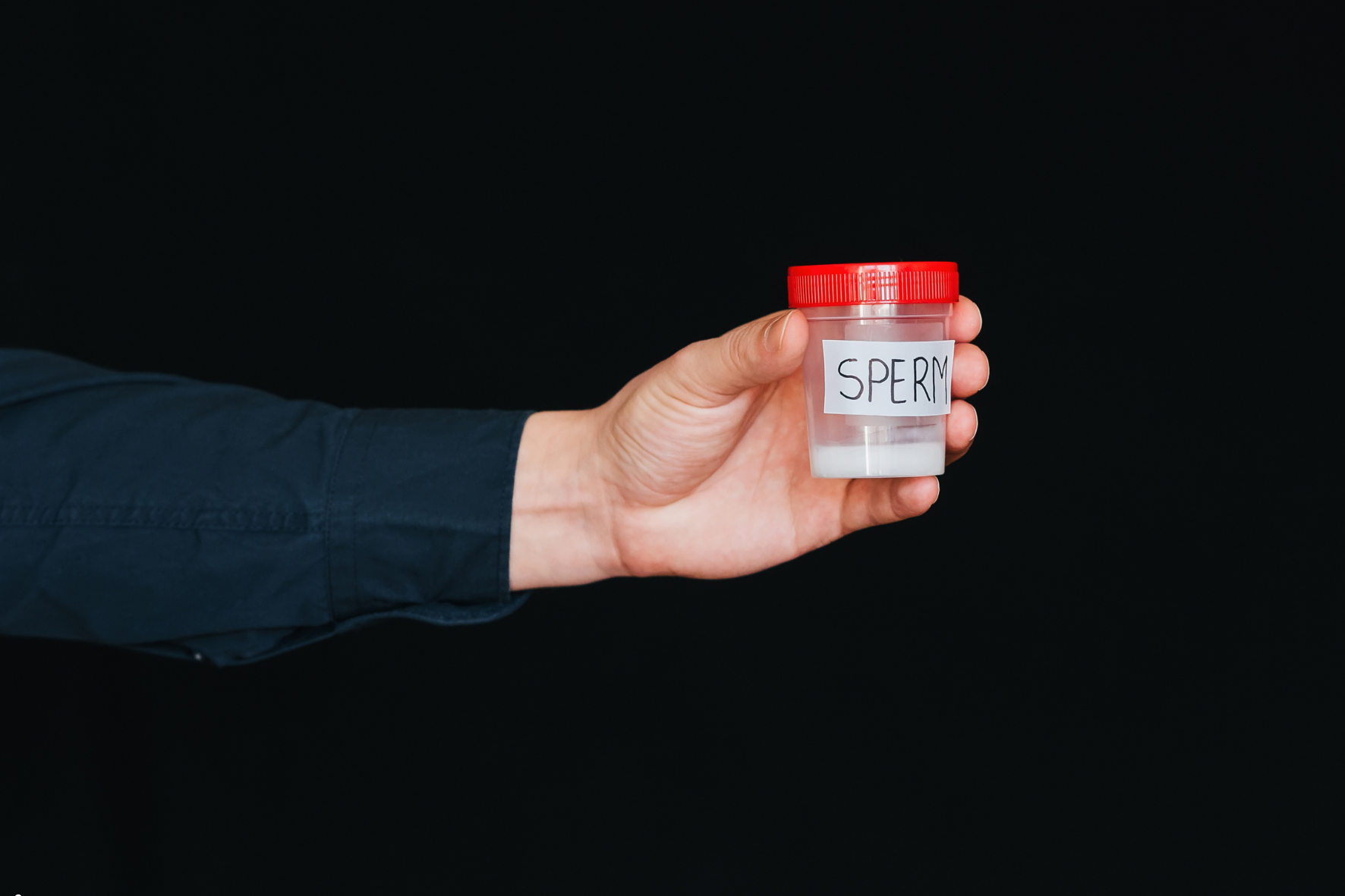
If you watched Spotlight last night, I want to talk to you.
If you caught last night's episode of Spotlight on Channel 7, you probably felt a version of what I felt watching it.
Relief that this conversation is finally happening publicly. Concern about the women being pushed into unregulated spaces. Sadness for the people sitting across clinic desks being told there's nothing available. And if you're someone who is thinking about — or actively pursuing — solo motherhood by choice, probably a quiet panic underneath all of it.
So let me add some context. Because the program did a good job of exposing the problem. What it didn't have time to do was explain your options clearly or help you understand what this actually means for your decision.
That's what I'm here for.
What Spotlight got right
The sperm shortage in Australia is real. This is not media hysteria. Some clinics are quoting indefinite waiting times. In New South Wales especially, women are being told to expect years — not months — before a clinic donor is available.
Australia has some of the strictest regulations around sperm donation in the world. Every donor must donate altruistically — no payment is legal. All donations must be ID release, meaning donor-conceived people have the right to access identifying information about their donor when they turn 18 (and in some states, earlier). And there are family limits — the number of families one donor can create — though these limits vary by state and there is no national registry tracking them.
Those rules exist for good reasons. They protect donor-conceived people's right to know their origins. They create accountability. They are, in many ways, good policy.
But the unintended consequence is exactly what Spotlight showed: women being pushed into the unregulated online space out of desperation, where the risks are real, and the protections are almost non-existent.
A father and son in Canada who fathered over 600 children. Men in Facebook groups who have no limits, no screening, and no accountability. Women in genuine distress, making decisions under pressure that they might not make if they had time and proper support.
This is the gap. And it's serious.
What Spotlight didn't tell you
The program presented the online donor space as essentially the only alternative to an indefinite clinic wait. That's not quite accurate — and for women considering solo motherhood, that framing can be misleading.
Here's what the full picture looks like.
Not all clinics are the same. Waiting times vary significantly depending on which clinic you approach and where you live. Some states and some clinics have better donor availability than others. If you've approached one clinic and been told the wait is indefinite, that is not necessarily the universal answer. This is one of the most important reasons to choose your clinic based on their donor program — not just their specialist — before you commit to anything.
International sperm banks are a legal option. Australia permits the import of donor sperm from overseas banks — most commonly from Europe and the US. These donors are ID release compliant for Australian use, go through medical screening. But not all clinics have access to international sperm banks, and critically, each state has its own family limits — the number of families one donor can create — which directly affects what imported sperm actually costs.
In NSW, those family limits are so restrictive that a single donor from a European sperm bank can cost upwards of $60,000. That is not a typo. Because the bank must reserve that donor almost exclusively for your family to comply with NSW regulations, that cost is passed directly to you.
In other states with less restrictive family limits, the same donor from the same bank can cost a fraction of that price. This is one of the most significant and least-discussed factors in the entire sperm shortage conversation — and it's why where you live, and where you receive treatment, matters enormously.
Known donors are a real option — with the right preparation. A known donor is someone you already have a relationship with who agrees to donate. Done properly — through a clinic, with legal agreements in place, with counselling for all parties — this can be a beautiful pathway. Done poorly, without structure or legal protection, it can become complicated. The program showed the risks of the unregulated version. The regulated version is different.
Recruited donors carry the highest risk. This is the Facebook group space that the program focused on. To be clear, there are people in this space with honourable intentions. But there are also the scenarios Spotlight revealed — men donating to hundreds of families with no limits, no accountability, no regulation. Men pushing natural insemination on recipients, and a lack of education in these spaces on the legal implications of different scenarios and how to best protect yourself (legally and physically). If you are considering this pathway, please do not go in without understanding what you are choosing and what you are not choosing. Your child will grow up and have feelings about this decision.
The question underneath all of this
There's something the program touched on that I want to name directly.
When fertility specialists and doctors say that women are being pushed into risky spaces out of desperation — they're right. But desperation is not a character flaw. It is what happens when someone who deeply wants to become a mother is told that the regulated, safe, supported pathway is not available to them.
The answer to desperation is not judgment. It's better information and better options.
That's why decisions about your donor — which pathway, which type, what matters to you in the long run — need to be made from a place of clarity, not urgency. Not because I want to slow you down. Because the choice you make here isn't just about getting pregnant. It's about a decision you will one day explain to your child.
And your child will grow up. They will have questions. They will have feelings. The decision you make now shapes what that conversation looks like.
If you're watching this unfold and feeling worried
Here's what I'd actually do, right now, this week:
1. Don't panic. The shortage is real but it is not universal. There are options and there are pathways.
2. Research clinics based on their donor program, not just their reputation, and ask about other states. Waiting times and costs vary significantly depending on which clinic you approach and where you receive treatment. Some clinics operate across multiple states — if you're in NSW and being quoted impossible wait times or costs, ask specifically: do you have clinics in other states, and what does that look like for me? Receiving treatment interstate is a real option that more women should know about.
3. Understand what international donors actually cost in your state before ruling them in or out. If you're in NSW, be aware that family limits make imported sperm significantly more expensive than in other states — quotes of $60,000 are not unusual. A donor from the same sperm bank through a clinic in Queensland or Victoria may cost a fraction of that. The state you're treated in changes the economics entirely.
4. Understand all three pathways before you decide anything. Known donor, ID release clinic donor (including imported), and recruited donor — each has trade-offs. Understanding them properly takes the desperation out of the decision.
5. Think long-term, not just right now. The best decision isn't always the fastest one. Your child's relationship to their own story matters.
6. Find your community. Women who have been through this process — who have made these decisions, who have navigated the shortage, who are raising donor-conceived children — are your best resource. Not Facebook forums. Real community.
I've updated my free guide — How to Choose the Right Donor — to reflect the current landscape, including the sperm shortage, the international sperm bank option, and the legal risks of the unregulated online space. It's the most comprehensive plain-English resource I know of on this topic for Australian solo mums.
Download it below. And if you have questions, come and find us in the Solo Mum Society Facebook group — the women in there have been through every version of this journey.
👉 Download: How to Choose the Right Donor — free →
👉 Join the free Facebook group →
Ready to go deeper? The Considering Solo Motherhood course covers the donor decision in full — every pathway, the real questions to ask, and how to make a choice you feel confident explaining to your child one day.