
Solo Pregnancy: What the First Trimester Actually Feels Like When You're Doing It Alone
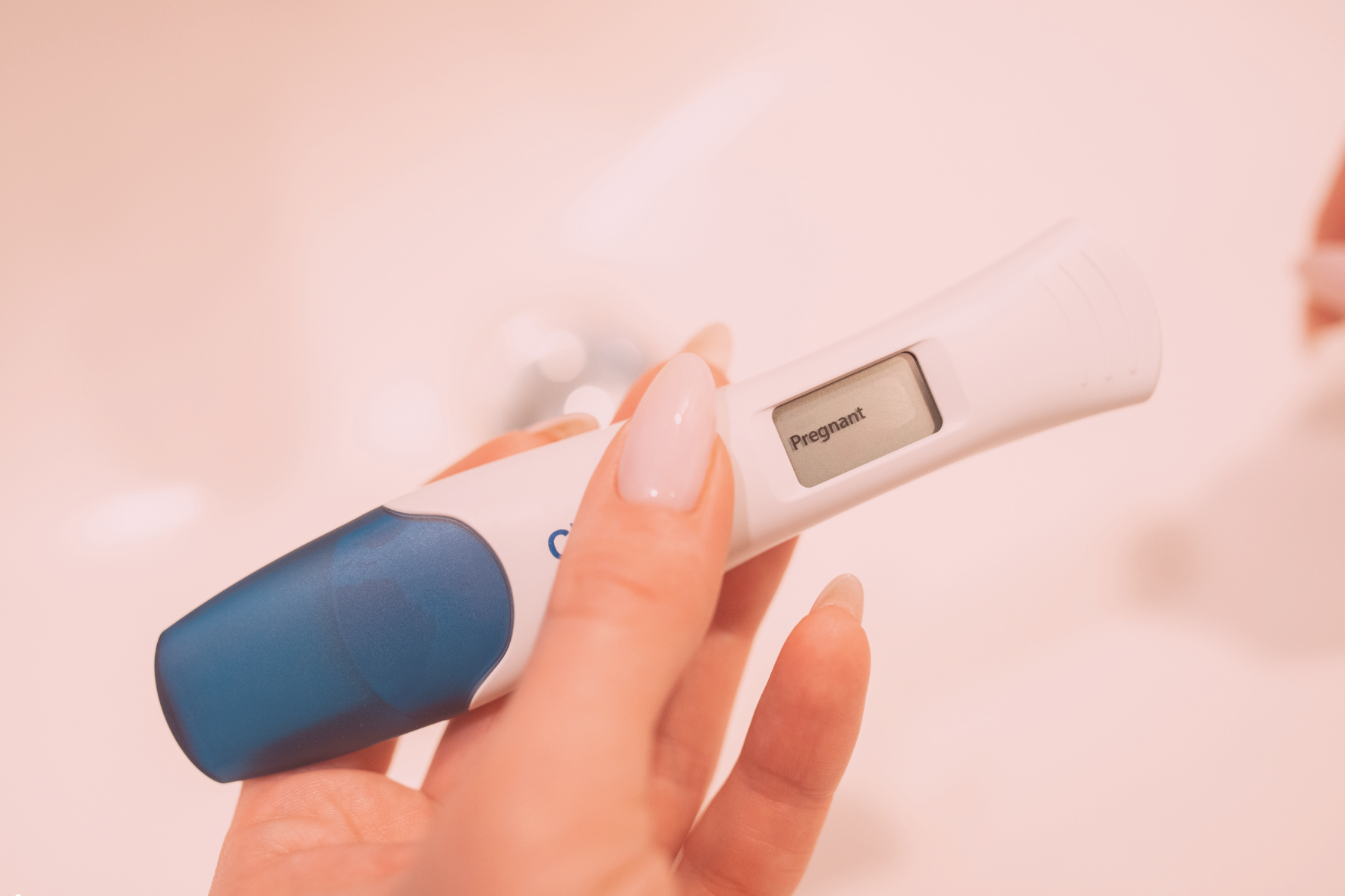
You're pregnant. Maybe you've known for six hours. Maybe six weeks. Either way, there's a good chance you're currently living in two feelings at once — pure joy, and a low hum of dread you can't quite explain, because on paper, nothing is wrong. You just can't stop waiting for something to.
That's not you being dramatic. That's the first trimester, for pretty much everyone who's ever been in it. What's different for you is that almost everything written about this stage — the books, the apps, the "what to expect" content — quietly assumes there's a partner somewhere in the picture. Someone to talk you down at 2am, someone clocking your mood before you've said a word. That gap isn't about anything missing in you. It's just that the content was never built with your version of this in mind. So let's actually talk about your version.
The excited-terrified loop is normal, and it doesn't stop after week six
One day you'll catch yourself daydreaming about nursery colours. The next, you'll be lying awake convinced something's wrong, even though nothing has actually changed. This isn't a sign you're not coping — it's just what early pregnancy does to your nervous system. Hope and fear share the same wiring in the first trimester, and most days you'll feel both, sometimes within the same hour.
Some days you won't quite believe it's real yet either. That's common too — especially if this took a while to happen, or didn't happen the way you originally pictured. Believing it fully sometimes only arrives much later, and that's not a failure to bond. It's just self-protection, and it tends to soften with time.
Beta numbers, scans, and the specific fear of loss
If you've had beta hCG bloods, you know the particular kind of obsessive math that comes with it — comparing your numbers to some forum's doubling-time chart at midnight, convinced a number that's "only" 80% higher instead of 100% higher means something's wrong. It usually doesn't. But knowing that doesn't stop you doing it again tomorrow.
Early scans carry their own weight. Sitting in that waiting room, there's a real fear sitting under the surface for a lot of women: what if this is the appointment where they tell me it's over. That fear shows up for almost everyone in early pregnancy, however they conceived, however their family looks. If it's been loud for you, you're not being paranoid — you're having an extremely normal reaction to a genuinely vulnerable stretch of time.
The physical side: it's a genuine spectrum
Here's something worth saying clearly: not everyone gets sick. Some women sail through the first trimester with barely a symptom and spend the whole time waiting for the nausea that never comes. Others are floored by it — unable to keep water down, signed off work, living on the bathroom floor some days. Most people land somewhere in between: tired, a bit queasy, occasionally caught off guard by a smell that sends them running.
Whichever version you get, it's normal. There's no "right amount" of sick to be, and how rough (or easy) your first trimester is physically has no bearing on how the rest of your pregnancy will go.
Telling people — or not — is entirely yours to decide
There's no universal rule for when or who to tell, and most people keep this quiet for the first trimester regardless of their situation, simply because it's early days. Some women tell one trusted person almost immediately, just to have somewhere to put the excitement and the fear. Others don't tell a single soul until the second trimester and genuinely prefer it that way. Neither is more resilient than the other — it's personal preference, and you're allowed to change your mind about it week to week.
The practical stuff that actually helps
Once you've sat with the emotional side of it, here's what tends to make the physical and logistical side easier:
Stock the freezer before you need it. A few batches of simple, reheatable meals — plain pasta, rice, soup — mean you're not standing over a stove on a day when cooking smells make you want to leave the house.
Think "hangover food," not "healthy food." Whatever you'd crave the morning after a big night out — toast, crackers, flat lemonade, plain rice — is usually a good predictor of what will actually stay down. Nutrition can wait. Right now, the job is just keeping something in.
Don't white-knuckle nausea in silence. If you're vomiting frequently, or the nausea is genuinely debilitating (not just "a bit queasy"), there are medications your doctor can prescribe that safely help. You don't get extra credit for toughing it out — ask.
Prioritise hydration over food, if you can only manage one. Fluids matter more than getting a full meal in on the hard days.
Keep the basics simple and automated. Prenatal vitamins, folate, whatever your doctor's recommended — set a phone reminder, because "pregnancy brain" starts earlier than people warn you about.
The thing that actually changes how this feels: people who get it
Here's what nobody tells you enough: it's not that you need a partner to get through the first trimester. It's that you need someone — and it turns out that someone doesn't have to be a partner at all. It can be a group of women who are living this exact stretch alongside you, or who've already been through it and remember every part of it clearly.
That's the entire idea behind The Bump. It's not a general pregnancy forum — it's specifically women trying to conceive and navigating solo pregnancy, together. There's a fortnightly Zoom call where you actually see each other's faces and talk through whatever's going on that week — the good, the terrifying, the mundane. And there's a private WhatsApp community that's there for the in-between moments — the 11pm "is this normal" spiral, the "I just got my numbers back and I need someone to tell me it's okay" message, the "I finally told my mum and I'm crying happy tears" one too. The women in that group aren't guessing what you're going through. They've had the same beta-number spiral, sat in the same scan rooms, made the same call about who to tell and when. That's a genuinely different kind of support than well-meaning friends can offer, simply because they've lived it, not just witnessed it from the outside.
Join The Bump - Fortnightly Zoom calls, a private WhatsApp community, and women who've genuinely been where you are — for the days you're excited, the days you're terrified, and everything in between. Available to members in Australia and New Zealand.
Some women join before their positive test, just to have that support already in place. Others join partway through the first trimester, once they realise how much lighter it feels having somewhere to put the 2am thoughts. There's no wrong time to come in.
And if you're already thinking ahead to who'll be with you for the birth itself, the free Birth Partner Guide is a good next step whenever you're ready for it.
Wherever you're at right now
Maybe you've told everyone already and you're riding the joy of it. Maybe you haven't told a soul and you're holding this quietly, just for you, for now. Maybe you're somewhere in between — excited one hour, wide awake and worried the next, not quite believing any of it is real yet. All of that is completely normal, and all of it is allowed to be true at once.
You didn't set out to do this the "hard way." You set out to become a mother, on your terms, and this — the whole messy, joyful, terrifying middle of it — is simply what that looks like right now. You're allowed to feel every bit of it, and you don't have to feel it by yourself.
Important - This post is general information and personal experience shared for support and connection — it isn't medical advice. Every pregnancy is different, so please speak with your doctor or midwife about any symptoms, medications, or concerns specific to you.
Alisha Burns is the founder of Solo Mum Society and a solo mum by choice. Her daughter was conceived via donor conception and born in 2020. Solo Mum Society is Australia's leading community for women choosing solo motherhood by choice.